
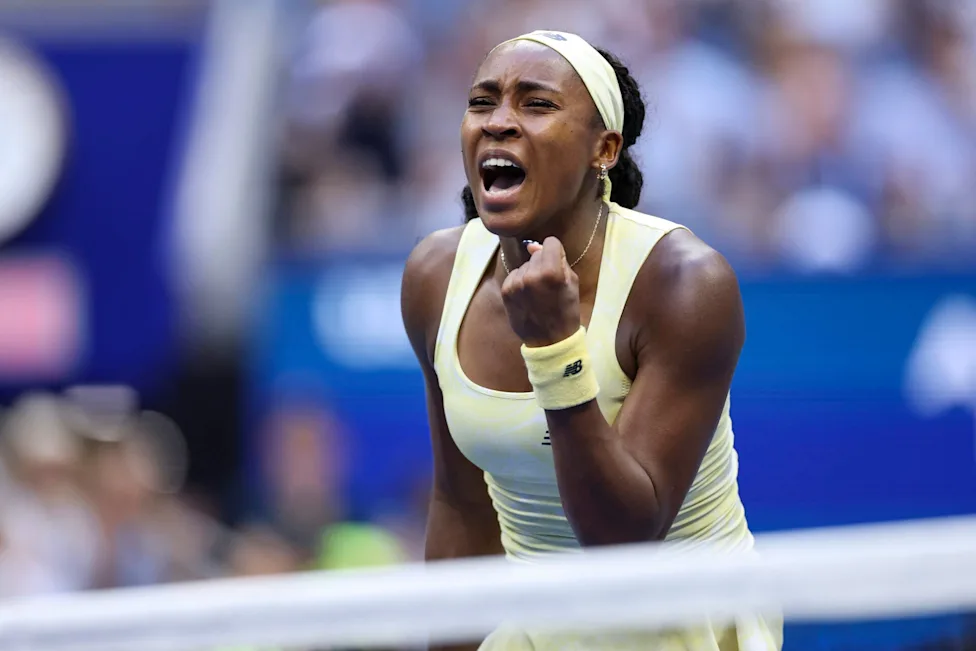

The Grand Slam tennis landscape reaches a high point at the U.S. Open as the world’s top two female players prepare to square off in the championship match, while engaging behind-the-scenes moments demonstrate how top competitors navigate the high-stakes tournament schedule.
Marquee Matchup: Sabalenka vs. Rybakina for the Title
Aryna Sabalenka and Elena Rybakina have secured their places in Saturday’s U.S. Open final, setting up a heavyweight showdown between the top two ranked players in the world. The upcoming contest marks the 18th head-to-head meeting in their professional careers, reinforcing one of the defining rivalries in contemporary women’s tennis.
Both players have consistently performed at the peak of the sport, bringing distinct stylistic strengths and intense physical play to major finals. Saturday’s final will represent the third time Sabalenka and Rybakina have competed directly for a Grand Slam championship title, reflecting their steady dominance at the major tournaments over recent seasons.
High-stakes matches between the top two seeds in a Grand Slam final draw significant interest from global sports audiences, television networks, and digital content platforms. As two of the most powerful ball-strikers on the tour, their established history ensures that fans and analysts expect a closely contested match built on relentless serve delivery, explosive baseline rallies, and mental resilience under pressure.
A Rivalry Defined by Grand Slam History
Reaching an 18th career head-to-head matchup highlights the remarkable consistency required to remain at the summit of international tennis. In professional tennis, long-running rivalries often shape the competitive narrative of entire eras, driving elevated viewership and sustained fan engagement across physical and digital channels.
Key milestones in the Sabalenka-Rybakina rivalry include:
- World Rankings: A direct clash between the world’s number one and number two ranked players.
- Grand Slam Final Encounters: Their third meeting with a major singles trophy on the line.
- Career Head-to-Head: Their 18th official professional matchup on the tour.
- Tournament Stage: Competing in Saturday’s headline final at the U.S. Open.
The frequency with which both players reach the closing rounds of major tournaments underscores the gap between the top tier of players and the broader field. For tournament organizers and broadcast partners, having the two highest-ranked players advance to the final provides a clear, compelling storyline that maximizes viewership across traditional television broadcasts and streaming networks.
Bracket Awareness and Athlete Focus: The Alcaraz Video
While the women’s draw culminates in a clash of top seeds, events in the men’s singles bracket highlighted the intense, day-by-day focus required during a two-week Grand Slam. A lighthearted video circulating from tournament media coverage revealed that Spanish star Carlos Alcaraz was surprised to learn the identity of his upcoming quarterfinal opponent.
In the clip, Alcaraz candidly reacted to learning who he was scheduled to play next in the U.S. Open bracket. The moment captured standard player mindsets at elite tournaments, where athletes often deliberately narrow their attention strictly to immediate preparation rather than studying potential future match paths across complex bracket schedules.
Such unscripted moments offer audiences a rare glimpse into the psychological management practiced by top-tier athletes. By focusing exclusively on immediate physical recovery and the next scheduled opponent, players avoid looking too far ahead in the draw, a strategy often credited with preserving focus during demanding multi-week competitions.
Digital Engagement and the Business of Major Tennis
The combination of marquee final matchups and viral behind-the-scenes content illustrates how major tennis events generate value in the modern media economy. Tournaments like the U.S. Open rely on both premier athletic competition and engaging digital moments to maintain fan interest across diverse demographic groups.
Short-form digital media content—such as Alcaraz’s genuine surprise at his quarterfinal draw—complements live broadcast coverage by reaching fans across social platforms. Meanwhile, premier final matchups like Sabalenka versus Rybakina deliver high-profile live programming that drives subscription, pay-per-view, and advertising revenue for rights holders.
As the tournament reaches its conclusion, the balance between world-class athletic performance and accessible digital storytelling remains central to expanding tennis’s global commercial reach. Whether following deep strategic rivalries built over 18 matches or sharing viral moments from the locker room and media centers, modern audiences continue to consume Grand Slam content across every available screen.


