
 The 2026 NFL regular season has officially kicked off, bringing 26 teams into action during a jam-packed Week 1 opening weekend. However, as live football returns to broadcast television screens and mobile streaming apps across the United States, sports fans are confronting a rapidly changing media ecosystem characterized by increased distribution fragmentation and escalating overall subscription costs. For viewers attempting to stream every game throughout the season, keeping up with game schedules and platform exclusives comes with a higher financial commitment than ever before.
The launch of Week 1 highlights a ongoing structural evolution in how live sports content is distributed and monetized. While legacy broadcast networks retain major Sunday afternoon and primetime windows, direct-to-consumer streaming providers continue to acquire platform-exclusive rights to specific regular season games. This hybrid broadcast model forces consumers to assemble and pay for multi-platform subscription stacks alongside standard cable, satellite, or over-the-air digital setups in order to guarantee uninterrupted coverage.
2026 Streaming Economics and Rising Fan Expenses
According to analysis tracking sports media distribution and subscription models, watching every regular season contest during the 2026 campaign requires a higher cumulative spend than in prior years. Because streaming platform exclusives split game inventory across several competing digital providers, no single cable package or standalone service offers complete access to every regional broadcast, national window, and out-of-market telecast.
As digital networks and media networks invest billions in premium sports rights, those acquisition expenses are passed along to the consumer through rising monthly subscription rates and tiered access requirements. Sports media viewers evaluating their options this season face a multi-tiered payment environment:
- Broadcast and Cable Networks: Over-the-air local channels and cable outlets holding standard Sunday regional games and traditional marquee slots like Monday Night Football.
- Exclusive Streaming Services: Direct-to-consumer digital services that hold exclusive distribution rights for specific weekly games.
- Out-of-Market Digital Packages: Specialized streaming services offering out-of-market game passes for fans looking to watch games outside their regional television market.
This growing market fragmentation creates a complex budgeting decision for household entertainment expenses, as fans must balance internet bandwidth requirements, app access, and recurring monthly fees simply to follow their preferred teams throughout the autumn calendar.
Week 1 Broadcast Distribution and International Reach
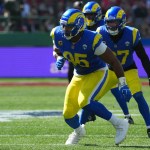
The Week 1 schedule showcases both traditional regional rivalries and the league’s continued international growth. Highlighting the global expansion strategy, the Los Angeles Rams made the journey to Australia for an opening weekend contest Down Under, illustrating how international broadcast windows and overseas logistics are expanding the league’s global reach.
Domestically, the opening weekend schedule features a broad range of marquee matchups, including a featured slate between the New England Patriots and the Seattle Seahawks, alongside opening week action for major franchises such as the Buffalo Bills, Kansas City Chiefs, Cincinnati Bengals, and Chicago Bears. Broadcast networks and streaming partners are managing simultaneous multi-game distribution across Sunday afternoon, Sunday night, and Monday night broadcast windows.
Impact on Digital Platforms and Subscriber Retention
The economic dynamics surrounding NFL broadcast rights highlight the unique position live sports occupy within the modern media industry. Live football remains the single strongest driver for both subscriber acquisition and subscriber retention across traditional linear TV and direct-to-consumer digital platforms. By placing high-profile games exclusively behind digital paywalls, media companies aim to convert occasional sports viewers into continuous recurring revenue.
At the same time, this strategy tests the limits of consumer spending power. As household entertainment budgets tighten under broader inflationary pressure, viewers are becoming more selective about which platforms they retain year-round versus which ones they subscribe to temporarily during the season. As the 2026 regular season unfolds, the relationship between platform exclusivity, monthly subscription expenses, and overall fan viewership will remain a key story at the intersection of sports business, technology, and consumer finance.