
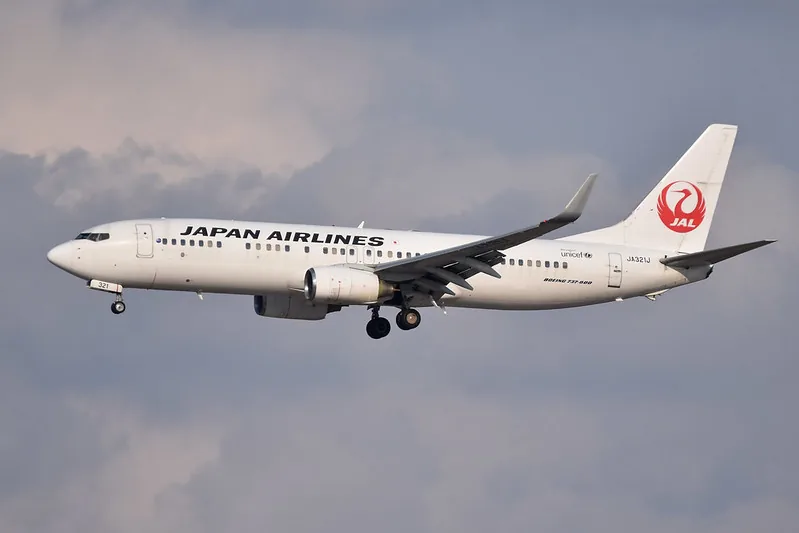

A Delta Air Lines Boeing 737 flight diverted to Las Vegas following a sudden cabin pressurization issue that prompted emergency oxygen mask deployment and a rapid descent from altitude. Flight tracking data and reports confirm the aircraft descended approximately 27,000 feet in roughly 10 minutes before stabilizing at a safe altitude of 9,000 feet, allowing the flight crew to complete a safe diversion landing.
In-Flight Pressurization Issue Prompts Emergency Diversion
The short flight was abruptly interrupted when cabin pressure levels dropped unexpectedly during flight. Aircraft safety systems automatically triggered overhead compartments, dropping chemical oxygen masks for passengers throughout the cabin. In response to the pressure anomaly, the flight crew immediately initiated emergency checklist protocols to bring the aircraft down to a lower atmospheric altitude.
To address the loss of pressurization, the pilots executed a controlled rapid descent. The Boeing 737 dropped approximately 27,000 feet over a 10-minute window, stabilizing near 9,000 feet above sea level. At this lower elevation, ambient atmospheric pressure is sufficient for human breathing without reliance on supplemental mask systems, neutralizing the immediate physiological risk to passengers and crew.
Air traffic control assisted the flight crew in executing an expedited path toward Las Vegas, where emergency ground crews were alerted and prepared. The aircraft landed without further complication, allowing passengers to deplane safely once on the ground.
Understanding Controlled Rapid Descent Procedures
While a rapid loss of altitude can be alarming for passengers, an emergency descent is a foundational maneuver taught during commercial pilot training. High-altitude commercial jetliners typically cruise between 30,000 and 40,000 feet, where the outside air pressure and oxygen levels are far too low to sustain normal respiration.
When cabin pressure fails at high altitude, the time of useful consciousness decreases rapidly. Consequently, flight safety rules mandate immediate pilot intervention:
- Oxygen Gear Utilization: Flight crews immediately don continuous-flow oxygen masks to maintain operational awareness.
- Altitude Target Selection: Pilots program flight controls or manually direct the aircraft toward a target altitude between 8,000 and 10,000 feet.
- Speed Brake Deployment: Flight crews extend flight spoilers or speed brakes to maximize the rate of descent without exceeding the structural speed limits of the airframe.
- Emergency Communications: The crew broadcasts an emergency squawk code to notify air traffic control of an urgent descent requirement.
Although the drop of 27,000 feet in 10 minutes represents an average descent rate of nearly 2,700 feet per minute, the flight paths are designed to remain fully within structural tolerances and flight maneuver bounds, ensuring the aircraft remains controllable throughout the event.
Passenger Experience and Cabin Dynamics
Passengers on board described the sudden shift in flight profile and mask deployment as a traumatic experience. Depressurization events often present sudden physical cues inside the cabin, such as rapid temperature drops, loud rushes of airflow, and abrupt ear pressure equalization challenges.
Overhead emergency units release oxygen masks powered by individual chemical oxygen generators or centralized oxygen bottles. These systems supply breathable oxygen for approximately 12 to 15 minutes—providing a sufficient buffer for pilots to complete the emergency descent to 9,000 feet, where ambient oxygen levels are restored naturally.
Despite the anxiety caused by sudden oxygen mask deployment and the steep angle of descent, emergency protocols are structured precisely to protect passengers from hypoxia and severe atmospheric stress until the plane reaches lower airspace.
Post-Incident Inspections and Aviation Safety Standards
Following the safe landing in Las Vegas, maintenance personnel and safety inspectors initiated standard technical evaluations to isolate the source of the pressurization fault. Commercial aircraft rely on sophisticated Environmental Control Systems (ECS) that draw compressed air from the engines, condition it, and pump it into the sealed cabin shell.
Systems under review during such investigations typically include:
- Outflow Valves: Electro-mechanical valves that regulate how much pressurized air escapes from the fuselage to maintain target cabin altitude.
- Pressure Sensors: Digital and analog sensors designed to monitor pressure changes and trigger automatic crew alerts.
- Door and Window Seals: Pneumatic seals that prevent atmospheric leakage at structural openings.
- Bleed Air Systems: Ductwork and regulating valves that supply compressed air from the jet engines.
Aviation safety regulations require a thorough inspection before the aircraft can be cleared for return to revenue service. Emergency landings resulting from cabin pressurization events underscore the multi-layered safety mechanisms and rigorous pilot training protocols that operate behind the scenes to maintain passenger safety during unexpected in-flight mechanical issues.


