
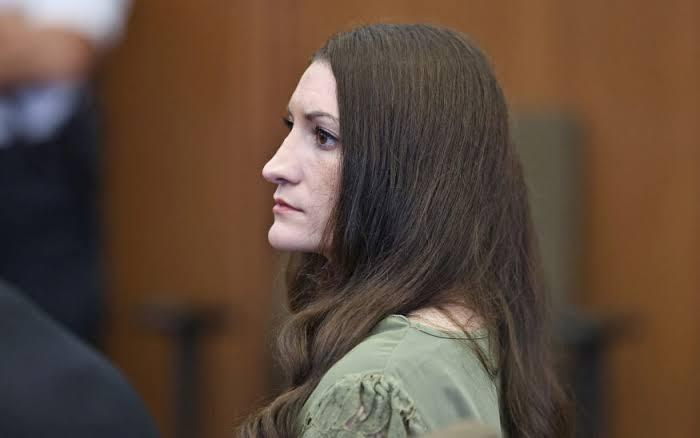

A high-profile criminal case that drew nationwide attention has culminated without a verdict after a judge declared a mistrial in the murder trial of Lindsay Clancy. The decision came after jurors informed the court that they were deadlocked and unable to reach the unanimous consensus required to deliver a judgment on the charges against her.
Clancy, a Massachusetts mother, was placed on trial in connection with the 2023 deaths of her three young children, whom prosecutors alleged she strangled. Throughout the trial, the central issue before the jury was whether Clancy was criminally responsible for her actions at the time of the events, or whether severe mental health conditions rendered her non-responsible under state law.
Jury Deadlock and Defense Appeals
The declaration of a mistrial followed intense deliberations during which the jury repeatedly signaled its inability to arrive at a unanimous verdict. Court proceedings revealed that the panel was deeply split, with reports indicating an 11-to-1 division among jurors as deliberations stretched on.
Prior to the official mistrial ruling, defense attorneys made a final effort to pause the proceedings by seeking emergency intervention from a higher appellate court. Defense counsel petitioned for a temporary stay to explore legal avenues before the trial judge finalized the mistrial declaration. However, an appeals judge rejected the defense’s application for further court intervention, clearing the path for the presiding judge to formally end the trial due to the deadlocked jury.
When it became evident that further deliberations would not resolve the deadlock, the judge discharged the jury, concluding a trial proceeding that had drawn intense public scrutiny and emotional interest from observers across the country.
The Central Conflict: Criminal Responsibility vs. Mental Health
The trial centered primarily on the legal concept of criminal responsibility rather than the physical facts of the incident itself. The underlying allegations stem from January 2023, when Clancy was charged with strangling her three young children inside their home.
During the trial, the defense argued that Clancy was suffering from extreme psychiatric impairment at the time of the killings, contending that her mental state precluded her from forming criminal intent or understanding the wrongfulness of her actions. Conversely, prosecutors presented evidence arguing that Clancy possessed the requisite criminal responsibility under Massachusetts law, advocating for conviction on murder charges.
Because criminal convictions in state courts require unanimous agreement from all twelve jurors, a single dissenting juror or a split panel is sufficient to prevent a verdict. In Clancy’s case, the jury’s inability to reconcile differing views on her mental responsibility ultimately made a definitive outcome impossible during this trial round.
Immediate Custody Status and What Happens Next
Following the mistrial order, Clancy is expected to remain housed in a mental health facility while legal representatives for both the defense and the prosecution evaluate their strategic options. Because a mistrial declared due to a deadlocked jury does not constitute an acquittal, the prosecution retains the legal authority to retry the case before a new panel of jurors.
Moving forward, the district attorney’s office faces several critical procedural decisions, including:
- Evaluating a Potential Retrial: Prosecutors must assess whether to empanel a new jury and present the state’s case a second time, considering the evidence presented and the jury split from the first trial.
- Reviewing Custody and Clinical Care: Clancy’s medical and psychiatric status will continue to dictate her commitment in a clinical mental health facility rather than a standard correctional environment.
- Defense Strategy: Defense counsel will continue to monitor Clancy’s mental condition while preparing for prospective pre-trial motions or future court proceedings.
Legal analysts note that retrying a case following a mistrial involves significant strategic adjustments for both sides. Prosecutors may recalibrate how they present expert medical testimony, while defense attorneys will seek to fortify their arguments regarding sanity and psychological capacity.
Broader Implications for the Justice System
The Clancy case highlights complex intersections between criminal jurisprudence, forensic psychiatry, and public health. Cases involving maternal mental health crises and severe psychiatric conditions frequently present unique challenges for the justice system, where traditional legal standards of criminal culpability must be weighed against medical diagnoses of severe mental illness.
As state officials and legal teams weigh their next steps, the case remains one of the most closely watched legal matters in the region. For now, the mistrial leaves the legal resolution of the 2023 tragedy open, with further court hearings expected to determine the timeline for any future proceedings.


